Enhancing Creativity with Silverware Kitchen Utensils Pattern: A Comprehensive Guide for Crafters and Designers
The Silverware Kitchen Utensils Pattern is a unique digital design resource that brings the elegance of traditional silverware into modern creative projects. Whether you're working on scrapbooking, card making, branding, or web design, this pattern offers a refined aesthetic that blends functionality with visual appeal. Its seamless nature ensures it can be tiled without visible breaks, making it ideal for backgrounds, textures, and decorative elements in both digital and print formats.
What Makes Silverware Kitchen Utensils Pattern Distinct?
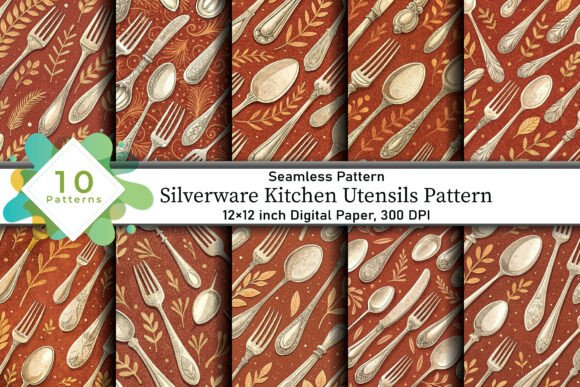
Unlike generic patterns that often lack character or thematic consistency, the Silverware Kitchen Utensils Pattern stands out by incorporating recognizable kitchen elements such as forks, knives, spoons, and ladles. These are stylized to maintain a clean and artistic appearance while still being instantly identifiable. The intricate details and balanced composition give the design a professional look, which is especially valuable for creators aiming to produce high-quality visuals for clients or personal use.
This pattern is crafted using advanced digital tools to ensure crisp lines and vibrant color options. It supports a variety of design needs through its availability in multiple file formats—PNG and JPG—and comes at 300 DPI resolution for sharp printing results. The dimensions (12 x 12 inches / 3600 x 3600 pixels) make it suitable for large-scale prints, ensuring clarity even when scaled up.
Comparing Silverware Kitchen Utensils Pattern with Other Digital Paper Designs
Digital paper patterns come in many styles and themes, ranging from floral motifs and geometric shapes to abstract art and vintage illustrations. While these alternatives have their own strengths, the Silverware Kitchen Utensils Pattern offers a niche appeal that's particularly well-suited for designs with a culinary or lifestyle focus.
For example, floral patterns may add a natural and organic feel to your project, but they might not align with a more contemporary or thematic approach like kitchen-related crafts. Similarly, geometric patterns provide structure and order but may not evoke the same sense of warmth and familiarity as the utensil-based motif of the Silverware Kitchen Utensils Pattern.
Another point of comparison lies in the level of detail. Many digital patterns prioritize simplicity for versatility, but the Silverware Kitchen Utensils Pattern adds depth and personality without overwhelming the design. This makes it an excellent choice for those who want their work to stand out with a subtle yet distinctive touch.
Strengths and Tradeoffs of Using the Silverware Kitchen Utensils Pattern
- Seamless Tiling: One of the most significant advantages of this pattern is its seamless construction. This allows for easy repetition across any surface or layout without disrupting the visual flow.
- High Resolution: With files set at 300 DPI, the pattern is optimized for both screen and print use, delivering professional-grade results every time.
- Compatibility: The included PNG and JPG files are compatible with a wide range of design software, including Photoshop, Canva, and Procreate. This broad support makes it accessible to crafters of varying skill levels and technical preferences.
- Versatile Application: From scrapbook pages to social media graphics, the pattern adapts well to different mediums. It’s also useful for creating themed stationery, planner inserts, and packaging materials.
However, there are some tradeoffs to consider. Because the design features specific imagery—silverware—it may not suit all types of projects. If your work requires a more neutral or minimalist background, this pattern could introduce unnecessary visual noise. Additionally, the thematic focus means it’s best used in contexts where the subject matter aligns with food, dining, or home décor.
Best-Fit Situations for the Silverware Kitchen Utensils Pattern
The Silverware Kitchen Utensils Pattern shines brightest in the following scenarios:
- Culinary-Themed Crafts: When designing for events like baby showers, bridal showers, or birthday parties centered around food, this pattern adds a cohesive and stylish element.
- Invitation and Greeting Card Design: For invitations to dinner parties, cooking classes, or restaurant openings, the pattern enhances the theme and professionalism of the piece.
- Branding and Packaging: Brands in the food industry or home goods sector can benefit from using this pattern in packaging or promotional materials to reinforce their identity.
- Digital Backgrounds: Use it as a base layer in digital art or website headers where a subtle texture or thematic backdrop is desired.
In each of these cases, the pattern provides a level of sophistication that sets the project apart. Its ability to blend seamlessly into various layouts while maintaining a strong visual presence makes it a favorite among designers looking to elevate everyday creations.
Limitations and Decision Factors
While the Silverware Kitchen Utensils Pattern is highly versatile, it does have limitations. First, it’s not suitable for every design style. Projects requiring bold typography or high-contrast elements may find the pattern too busy or distracting. Second, since the pattern doesn’t include transparent PNGs, it’s less flexible for overlay work or layered compositions where transparency is essential.
When deciding whether to use this pattern, consider the following factors:
- Theme Alignment: Does the pattern complement the overall message or mood of your project? If so, it can enhance the design experience significantly.
- Resolution Needs: If you require ultra-high-resolution images for commercial purposes, the 300 DPI format should meet most requirements. However, if you need scalable vector files (like SVG), this may not be the best fit.
- Design Software Compatibility: Ensure your preferred tool supports the provided file types. Most major design platforms do, but always double-check before purchasing.
- File Format Preferences: Choose between PNG and JPG based on your intended use. JPG is better for printed materials, while PNG is typically preferred for digital overlays due to its lossless compression (though in this case, PNG lacks transparency).
Realistic Examples of Use
Let’s explore a few real-world applications to illustrate how the Silverware Kitchen Utensils Pattern can be effectively used:
- Scrapbooking: Imagine creating a memory book about a family reunion centered around a backyard cookout. Adding the Silverware Kitchen Utensils Pattern as a background or accent can tie the theme together and create a warm, inviting atmosphere.
- Card Making: A greeting card for a friend’s new kitchen appliance purchase could feature the pattern subtly behind text or photographs, adding a personalized and thoughtful touch.
- Web Design: For a food blog or restaurant website, using this pattern as a textured background on recipe cards or menu sections gives a tactile, elegant feel that enhances user engagement.
- Gift Wrapping: Print the pattern onto wrapping paper or tags for homemade gifts related to cooking or baking, turning simple presents into beautifully curated experiences.
These examples show how the pattern can be integrated into diverse projects, offering both aesthetic value and thematic relevance.
Alternatives to Consider
If the Silverware Kitchen Utensils Pattern doesn’t match your current needs, here are some alternative approaches:
- Minimalist Patterns: Ideal for modern or corporate designs, these offer a clean, unobtrusive background without any thematic content.
- Vector-Based Patterns: If you’re working in scalable environments or need flexibility in editing individual elements, vector patterns are a better option despite the higher cost and complexity.
- Custom Illustration Sets: For complete control over design elements, some crafters prefer building their own patterns using illustration tools. This method is more time-consuming but allows for maximum customization.
- Texture Overlays: These provide depth without repeating imagery and are great for adding dimension to photos or flat designs.
Each of these alternatives has its own benefits and drawbacks. The right choice depends on your workflow, design goals, and the level of detail you wish to incorporate.
When to Choose the Silverware Kitchen Utensils Pattern
Opt for the Silverware Kitchen Utensils Pattern when you need a visually appealing and thematically consistent design for projects related to food, home, or lifestyle. It works especially well in:
- Projects targeting food lovers or culinary professionals
- Event-based designs like wedding thank-you cards or anniversary invites
- Stationery lines with a rustic or vintage feel
- Printed materials such as menus, brochures, or recipe books
Its detailed yet non-intrusive design makes it a go-to for those seeking a balance between creativity and usability. Just ensure that the imagery complements your main content and doesn't overshadow it.
Final Thoughts on Selection and Use
Selecting the right digital pattern involves understanding your audience, the purpose of your project, and the tools you'll be using. The Silverware Kitchen Utensils Pattern excels in providing a high-quality, thematic design that appeals to crafters and designers alike. Its strength lies in its attention to detail and adaptability across multiple formats.
Ultimately, the decision to use this pattern should be guided by how well it aligns with your creative vision. By considering its strengths, limitations, and appropriate use cases, you can determine whether it’s the perfect addition to your next project—or whether another pattern might serve you better.