Wood Slice Pattern Digital Paper: Elevating Design with Organic Texture and Purpose
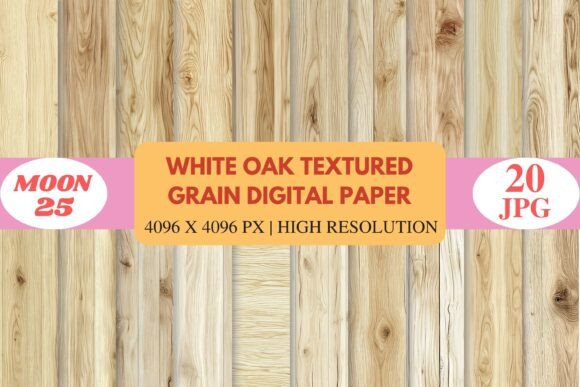
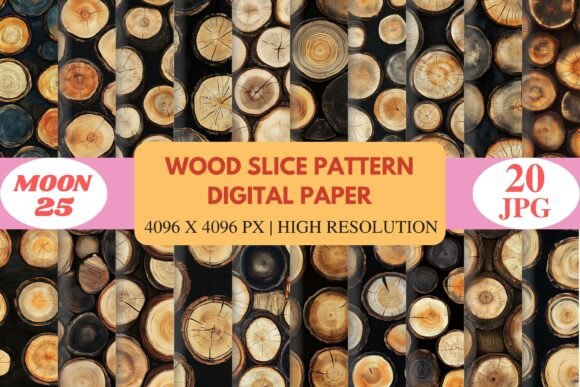
In today’s fast-paced digital world, standing out requires more than just high-quality visuals—it demands intentionality. Wood Slice Pattern Digital Paper is a design resource that offers both aesthetic appeal and strategic value for professionals and hobbyists alike. With 20 high-resolution JPG backgrounds (4096 × 4096 px), this collection brings the raw beauty of nature into creative projects, offering a seamless blend of rustic charm and modern usability.
What Is Wood Slice Pattern Digital Paper?
Wood Slice Pattern Digital Paper refers to a curated set of digital textures that mimic the natural look of wood slices—tree rings, bark details, and log cross-sections. These are not simple images but intricately designed patterns that repeat seamlessly, allowing them to be used as backgrounds or overlays in a variety of applications without visible tiling or distortion.
Each pattern in the collection emphasizes organic circular grains, warm wood tones, and subtle imperfections that reflect real-world materials. The result is a visually rich and authentic forest-inspired aesthetic, ideal for adding depth and warmth to digital creations.
Strategic Uses for Wood Slice Patterns in Creative Work
For designers and creators, texture plays a crucial role in evoking emotion and reinforcing brand identity. Wood Slice Pattern Digital Paper can serve as a powerful tool when integrated thoughtfully into specific use cases:
- Branding and Marketing: For businesses targeting audiences interested in sustainability, outdoor living, or home décor, these patterns can enhance visual storytelling. Use them as background elements on landing pages, social media assets, or packaging designs to create a cohesive woodland theme.
- Product Packaging: Eco-conscious brands often seek ways to communicate their values through design. A well-placed wood slice pattern can subtly reinforce an earthy, handmade feel while maintaining professionalism and clarity.
- Invitations and Stationery: Whether it's a rustic wedding invitation or a farmhouse-themed birthday card, the natural grain and circular structure of these patterns provide a unique touch that elevates the overall design quality.
- Wall Art and Home Décor: Interior designers and DIY enthusiasts can leverage these textures for digital mockups or printable art pieces. They add a tactile dimension to otherwise flat surfaces, enhancing visual interest and aligning with current trends in biophilic design.
- Sublimation Projects: Printers and product customizers will find these patterns useful for sublimation printing on mugs, tumblers, or wooden items. Their high resolution ensures sharp results even after heat transfer, making them suitable for small businesses looking to offer personalized goods.
Why Choose This Collection Over Generic Alternatives?
Many digital paper collections prioritize novelty over utility, but the Wood Slice Pattern Digital Paper stands apart due to its attention to detail and versatility. Unlike generic wood textures, which may lack nuance or realism, this set captures the essence of actual tree slices, making it suitable for professional-grade work.
The large file size (4096 × 4096 px) means they retain quality at any scale, whether you're designing for print or digital platforms. Additionally, the inclusion of bark textures and rustic cuts provides more options for layering and blending, giving your designs a multidimensional, handcrafted appearance.
Intentional Integration: How to Plan Your Use
To get the most out of Wood Slice Pattern Digital Paper, consider how each pattern supports your project's goals. Begin by asking:
- What message do I want to convey? Is it warmth, authenticity, or connection to nature?
- Which audience am I addressing? Will they respond positively to the rustic aesthetic?
- How does this fit within my existing design system or brand guidelines?
Once you have answers to these questions, you can choose a pattern that complements your color palette and typography. For example, if your branding uses muted earth tones, a darker wood slice pattern with pronounced grain lines could enhance the visual harmony. Conversely, lighter-toned variations might suit minimalist or Scandinavian-style designs better.
Planning Tips for Maximum Impact
Here are a few practical steps to help integrate these textures effectively:
- Test before committing: Apply the patterns to sample layouts to see how they interact with text and other design elements. Adjust opacity or contrast as needed to maintain readability.
- Layer wisely: Combine multiple textures from the collection to build complexity. Try overlaying a bark texture on top of a smooth wood grain for a layered, natural effect.
- Align with seasonal campaigns: Wood textures can support fall or winter promotions by evoking cozy, earthy themes. Use them for holiday cards, gift tags, or seasonal marketing materials.
Use Cases That Deliver Long-Term Value
While Wood Slice Pattern Digital Paper is excellent for short-term creative needs, its long-term value becomes apparent when used consistently across multiple touchpoints. Here are a few examples:
1. Building Brand Identity
A woodworking or homeware brand can use these patterns to establish a consistent visual language. By incorporating them into website headers, email templates, and product labels, the brand reinforces its commitment to natural, handcrafted aesthetics. This consistency helps customers recognize and trust the brand more quickly.
2. Enhancing Customer Experience
When applied to user-facing materials like packaging inserts or thank-you cards, these patterns can create a memorable unboxing experience. The tactile suggestion of wood adds a sensory element to digital design, helping customers feel connected to the product and the brand behind it.
3. Supporting Educational Content
Educators or bloggers who focus on DIY, sustainability, or nature-based topics can use these textures in blog headers, infographics, or downloadable guides. The earthy visuals make complex information more approachable and engaging, especially when paired with clear, concise writing.
Risks of Random Use and How to Avoid Them
Though visually appealing, using Wood Slice Pattern Digital Paper without a clear purpose can lead to cluttered designs and diluted messaging. For instance, applying a heavy wood grain to a sleek tech product page may clash with the intended modernity and confuse the target audience.
Before using any pattern, ask yourself:
- Does it enhance the content or distract from it?
- Is it appropriate for the platform or medium?
- Will it perform well across different devices and screen sizes?
By answering these questions, you ensure that your use of the pattern supports rather than undermines your creative goals. It's not about what looks good in isolation; it's about what works best in context.
Realistic Application Examples
Let’s explore a few realistic scenarios where this resource delivers meaningful results:
Scenario 1: Farmhouse-Themed Wedding Planner
A wedding planner specializing in rustic events wants to create a cohesive suite of digital invitations and RSVP cards. By using a light-toned wood slice pattern as a base, they can add a sense of warmth and tradition. Subtle overlays of floral elements or handwritten fonts further personalize the design while keeping the natural aesthetic intact.
Scenario 2: Outdoor Adventure Apparel Brand
An apparel company focused on hiking and camping gear is redesigning its packaging. They incorporate a bark-textured pattern into the box liners and shipping tags to reflect the rugged outdoors. The texture adds a premium feel and reinforces the brand's eco-friendly positioning without overwhelming the clean logo and product imagery.
Scenario 3: Cozy Home Blog Layout
A lifestyle blogger curates a new layout for their newsletter, aiming to evoke a calm, nature-inspired atmosphere. They select a soft-wood pattern with visible grain lines and apply it as a background for feature sections. The texture grounds the reader in a relaxed environment, supporting the blog’s mission of promoting slow living and mindfulness.
Decision-Making Guidance for Effective Use
Using Wood Slice Pattern Digital Paper successfully hinges on thoughtful decision-making. Consider the following framework when choosing which patterns to implement:
- Define the objective: Are you aiming to sell products, tell a story, or simply decorate? Clarify your intent to avoid misaligned choices.
- Match the tone: Does the pattern support the mood you want to create? A dramatic log cut may suit a luxury product, while a delicate bark texture might be better for casual crafts.
- Balance with other elements: Ensure the pattern doesn't overpower key information. Use it as a subtle enhancement rather than a focal point unless that's your goal.
Remember, the right texture isn’t always the most intricate one. Sometimes, a simple variation with minimal detail can have a greater impact when used in the right place.
Conclusion: A Tool for Thoughtful Creativity
Wood Slice Pattern Digital Paper is more than a decorative asset—it's a strategic design choice that can enhance communication, strengthen brand identity, and improve customer engagement. Its success lies not in random application but in intentional integration aligned with broader creative and business goals.
By understanding the nuances of each pattern and how they function in different contexts, you position yourself to make informed decisions that yield lasting results. Whether you’re a designer seeking to differentiate your portfolio or a small business owner crafting a unique brand experience, this collection offers the tools to bring nature into your work with clarity and purpose.