Unity Cup Kikombe Cha Umoja Pattern: A Versatile Design for Creative and Cultural Expression
The Unity Cup, or Kikombe Cha Umoja, is a central symbol of the Kwanzaa celebration, representing togetherness, community, and shared values. When transformed into a digital design pattern, it becomes a powerful visual asset that can be integrated into a wide range of creative and commercial projects. The Unity Cup Kikombe Cha Umoja Pattern is more than just an aesthetic choice—it’s a cultural statement and a tool for storytelling through design.
Understanding the Unity Cup Kikombe Cha Umoja Pattern
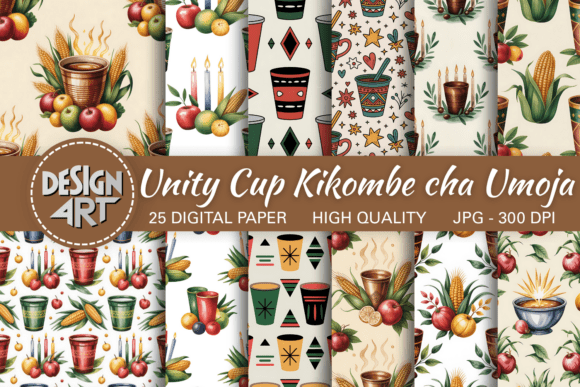
Rooted in African tradition, the Unity Cup is used during Kwanzaa to pour libations in honor of ancestors. The Unity Cup Kikombe Cha Umoja Pattern captures this symbolism in a seamless, scalable format suitable for various applications. It blends traditional motifs with modern graphic design principles, making it adaptable across different media without losing its cultural resonance.
This pattern is ideal for those who want to infuse their work with meaningful imagery while maintaining a professional and polished look. Whether you’re designing promotional materials, educational resources, or personal art, the Unity Cup Kikombe Cha Umoja Pattern offers a unique way to celebrate heritage and foster connection.
Preparation and Planning Before Use
Before integrating the Unity Cup Kikombe Cha Umoja Pattern into your workflow, consider the purpose and context of your project. Ask yourself:
- What message am I trying to convey?
- How does this pattern align with my brand or theme?
- Will the design scale well on different products or formats?
Once you’ve established these factors, gather all necessary assets—like text, logos, or additional graphics—and organize them in your design software. Because the pattern is high-resolution (3072 x 3072 pixels) and 300 DPI, it ensures crisp output whether printed or displayed digitally. This makes it especially useful for creators who need consistent quality across multiple platforms.
Integration Into Creative Projects
The Unity Cup Kikombe Cha Umoja Pattern can be used in several stages of a project lifecycle. Here are some common integration points:
Before Project Launch
Use the pattern as part of your pre-launch branding. For example, when promoting a Kwanzaa-themed event or product, include the pattern in teasers, email headers, or social media posts. Its symbolic nature can help set the tone and generate interest among culturally aware audiences.
During Production
Incorporate the pattern directly into your design process. If you're creating sublimation products such as mugs, tumblers, or clothing, place the pattern strategically to highlight key areas. You can layer it subtly in the background or make it a focal point depending on the desired impact.
When working with print-on-demand services like Printful or CustomCat, ensure the pattern is compatible with their file requirements. Most platforms accept JPG files at 300 DPI resolution, which the Unity Cup Kikombe Cha Umoja Pattern already meets. Always double-check the size specifications for each item to avoid scaling issues.
After Completion
Even after a project is completed, the pattern remains valuable. Repurpose it for follow-up content, such as thank-you cards, post-event invitations, or educational materials about Kwanzaa. It also serves as an excellent addition to scrapbooks or framed artwork for those looking to preserve memories or showcase culture.
Workflow Examples and Use Cases
Here are a few practical workflows where the Unity Cup Kikombe Cha Umoja Pattern shines:
- Event Branding: Design posters, flyers, and banners using the pattern as a base. Combine it with bold typography and minimal text to keep the focus on the theme of unity.
- Product Customization: Apply the pattern to bags, planners, stickers, and wall art. Test different placements and color overlays to see how it complements your product line.
- Marketing Collateral: Use the pattern in newsletters, brochures, or website headers to create a cohesive visual identity around Kwanzaa or African heritage themes.
- Interior Design: Frame the pattern as a standalone piece or incorporate it into larger murals and decorative panels. Its seamless nature allows for tiling without disrupting the visual flow.
For bloggers and educators, the pattern can serve as a header image for articles or lesson plans centered on cultural education, holiday traditions, or community building. Similarly, entrepreneurs can use it to differentiate their offerings during peak seasonal periods, adding a touch of authenticity to their brand messaging.
Collaborating with Other Tools and Assets
To maximize the potential of the Unity Cup Kikombe Cha Umoja Pattern, pair it with other tools and assets that enhance usability and efficiency:
- Graphic Design Software: Import the pattern into Adobe Photoshop, Illustrator, or Canva for customization. These platforms allow you to adjust colors, add text, or combine the pattern with other elements for a tailored look.
- Sublimation Printing Platforms: Upload the pattern to your preferred printing service and test it on sample products before mass production. This helps identify any compatibility or alignment issues early on.
- Content Management Systems (CMS): Embed the pattern into blog posts or landing pages using custom HTML/CSS or CMS templates. Ensure it loads efficiently by optimizing the JPG file size if needed.
Working with teams? Share the pattern via cloud storage or design collaboration tools like Figma or Google Drive. Establish clear guidelines for its use to maintain consistency in visuals and messaging across all channels.
Design Tips and Best Practices
While the Unity Cup Kikombe Cha Umoja Pattern is visually rich, applying it effectively requires attention to detail. Here are a few tips to guide your implementation:
- Keep the overall layout balanced. Avoid overloading the design with too many overlapping elements, especially if the pattern is complex.
- Test contrast between the pattern and text or images. Darker tones often work best for readability against intricate backgrounds.
- Use it sparingly in digital environments to prevent performance issues. Large JPGs may slow down loading times on websites or apps if not optimized properly.
- Respect cultural significance by ensuring the pattern is used appropriately and respectfully, avoiding any misrepresentation or trivialization.
Consider how the pattern might evolve in future projects. Save versions in different resolutions and color modes to support long-term use. For instance, you might store a black-and-white version for monochrome printing or a transparent background variant for overlay purposes.
Maintaining Consistency and Quality
Consistency is key when using the Unity Cup Kikombe Cha Umoja Pattern across multiple platforms. Develop a style guide that outlines its application rules, including:
- Recommended placement and sizing for each product type.
- Preferred color variations (e.g., red, green, gold) that align with Kwanzaa aesthetics.
- Instructions for combining the pattern with other graphics or text elements.
Quality control should also be part of your routine. Review the final designs for clarity, alignment, and cultural sensitivity. Conduct A/B testing with colleagues or target users to gauge reactions and refine usage accordingly.
Expanding Your Toolkit
Think of the Unity Cup Kikombe Cha Umoja Pattern as one element in a broader toolkit for cultural and creative expression. Pair it with complementary symbols, fonts, and textures to build a complete visual language that resonates with your audience. For instance, you could blend it with Swahili calligraphy or traditional African textiles to deepen the thematic experience.
Entrepreneurs and marketers might also explore licensing options for similar patterns or expand their collection by curating additional cultural assets. This builds a library of resources that supports diverse projects and keeps your creative output fresh and relevant year-round.
Long-Term Value and Reusability
One of the most compelling aspects of the Unity Cup Kikombe Cha Umoja Pattern is its reusability. Unlike temporary graphics, this pattern can be archived and reused in upcoming campaigns, educational content, or even as part of a curated gift collection. Its timeless appeal ensures it remains a valuable asset beyond the Kwanzaa season.
Organize your files systematically—label them clearly and store them in folders categorized by project type, date, or platform. This streamlines access and encourages efficient reuse. Over time, you’ll build a resource that reflects both your creative journey and your commitment to cultural awareness.
Conclusion
By thoughtfully integrating the Unity Cup Kikombe Cha Umoja Pattern into your creative and business processes, you can honor tradition while enhancing your visual communication. From sublimation products to educational materials, this design element supports a wide array of applications. With proper planning, execution, and maintenance, it becomes a versatile and meaningful part of your workflow, helping you connect with audiences on a deeper level.